
Interior Painting
A polished paint result begins before the first coat.
Paloma Pro reviews wall condition, preparation, color information, access, and the desired finish before smaller interior painting work is confirmed.
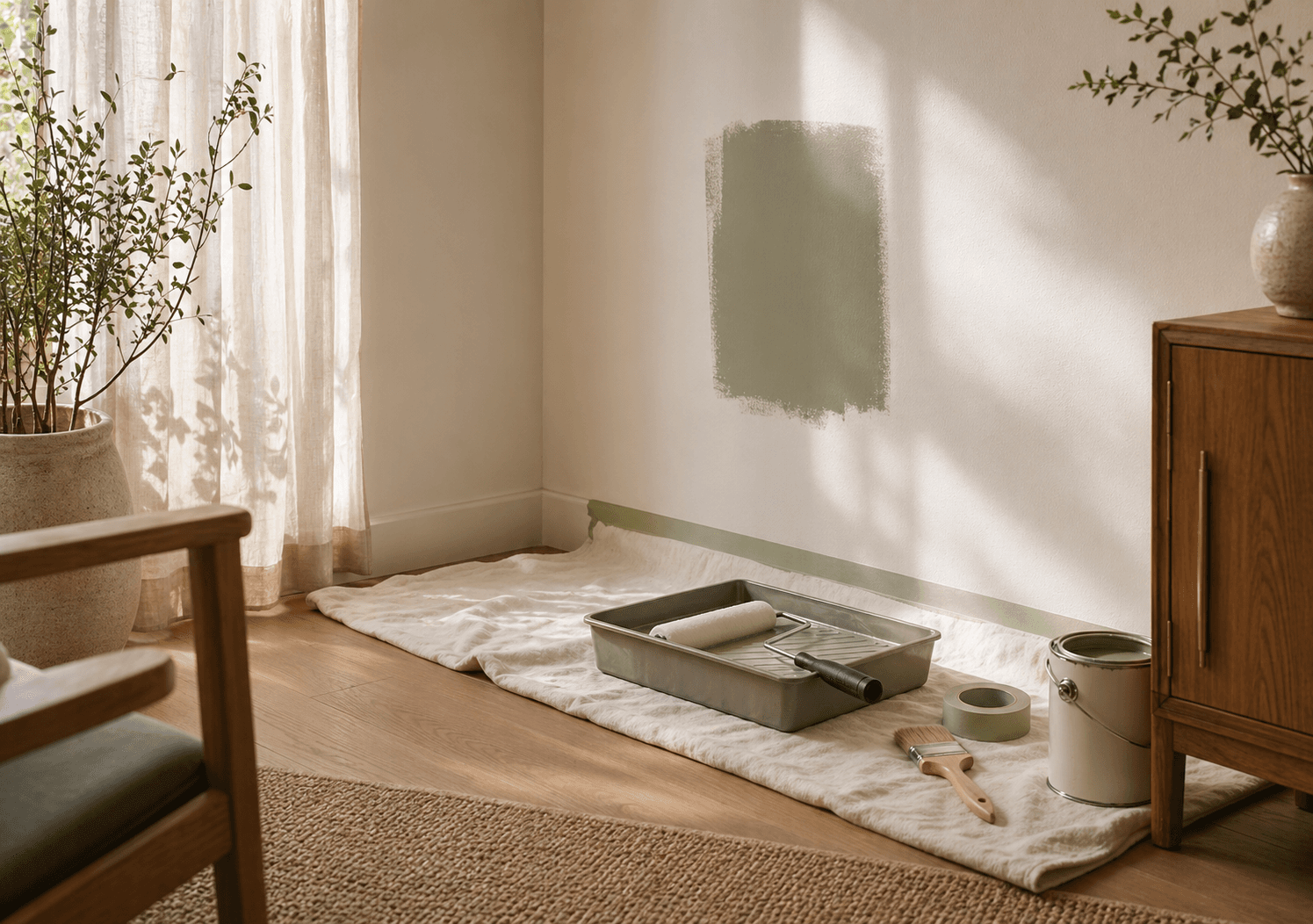
A useful place to start
Touch-ups and smaller interior painting projects with careful preparation.
Touch-ups and compact painting projects can look simple until sheen, age, texture, lighting, and prior repairs enter the picture. A clear review separates surface preparation from painting and sets a realistic finish expectation.
Peeling caused by moisture, extensive substrate damage, unknown coatings, high access, and older painted surfaces may require additional investigation or a specialized service plan.
Larger rooms, specialty finishes, and projects with repair work begin with a scope review.
Common requests
Is this the right starting point?
For focused interior refreshes where clean preparation, protected surfaces, and a tidy handoff matter.
- 01Wall touch-ups
- 02Accent walls
- 03Trim refreshes
- 04Move-in and move-out paint
Choose the work
Start with the request that fits best.
Select a specific task to carry it into the request form. You can add other related tasks before submitting one organized request.
Painting touch-ups
Small paint corrections after color, sheen, surface preparation, and realistic blend expectations are reviewed.
Request this workRoom or whole-home painting
Specialist reviewInterior painting requests reviewed for size, preparation, access, finish, and the appropriate crew path.
Request this workExterior brick or concrete painting
Specialist reviewExterior masonry painting reviewed for material condition, prior coatings, preparation, access, and weather.
Request this workPrepare a useful request
Document the color and the condition
The most useful request shows how much surface is involved and what is happening underneath the paint—not just the color you want next.
- Photograph each wall in daylight and with the room lighting turned on.
- Share paint brand, color, and sheen when known; include the can label if available.
- Identify holes, cracks, peeling, stains, caulk gaps, or prior patches.
- Measure the wall or room and note ceiling height and furniture access.
- For homes built before 1978, disclose the age before painted surfaces are disturbed.
From request to handoff
A clear path, without the guesswork.
- 01
Inspect
Surface condition, prior repairs, sheen, and access are considered first.
- 02
Prepare
Approved patching, cleaning, masking, and protection are defined in the scope.
- 03
Apply
Color, product, coverage area, and coat expectations are confirmed.
- 04
Review
The completed area is checked in the agreed lighting and finish context.
Helpful resources
Plan the job with better information.
Matching the color is only one part of a successful touch-up. Surface condition, sheen, age, lighting, and older-paint safety determine the right plan.
Read resource Real Estate PreparationA practical pre-listing home repair checklistOrganize small repairs around the listing timeline without confusing cosmetic preparation with disclosure, permitting, or specialist responsibilities.
Read resourceQuestions, answered
Before you request interior painting.
Why can a touch-up still be visible?
Paint ages, sheen changes, application tools differ, and surrounding surfaces collect wear. Even the original color may flash under side lighting, so a full wall repaint can sometimes create a more consistent result.
Can you paint over a stain or peeling area?
The cause needs review first. Moisture, adhesion failure, surface contamination, or an unstable repair should be addressed before a new finish is applied.
What should I move before the visit?
Remove fragile and personal items. During scope review, confirm who will move furniture, window treatments, electronics, and wall décor so access and protection are planned clearly.
Related services
More ways to work through the list.
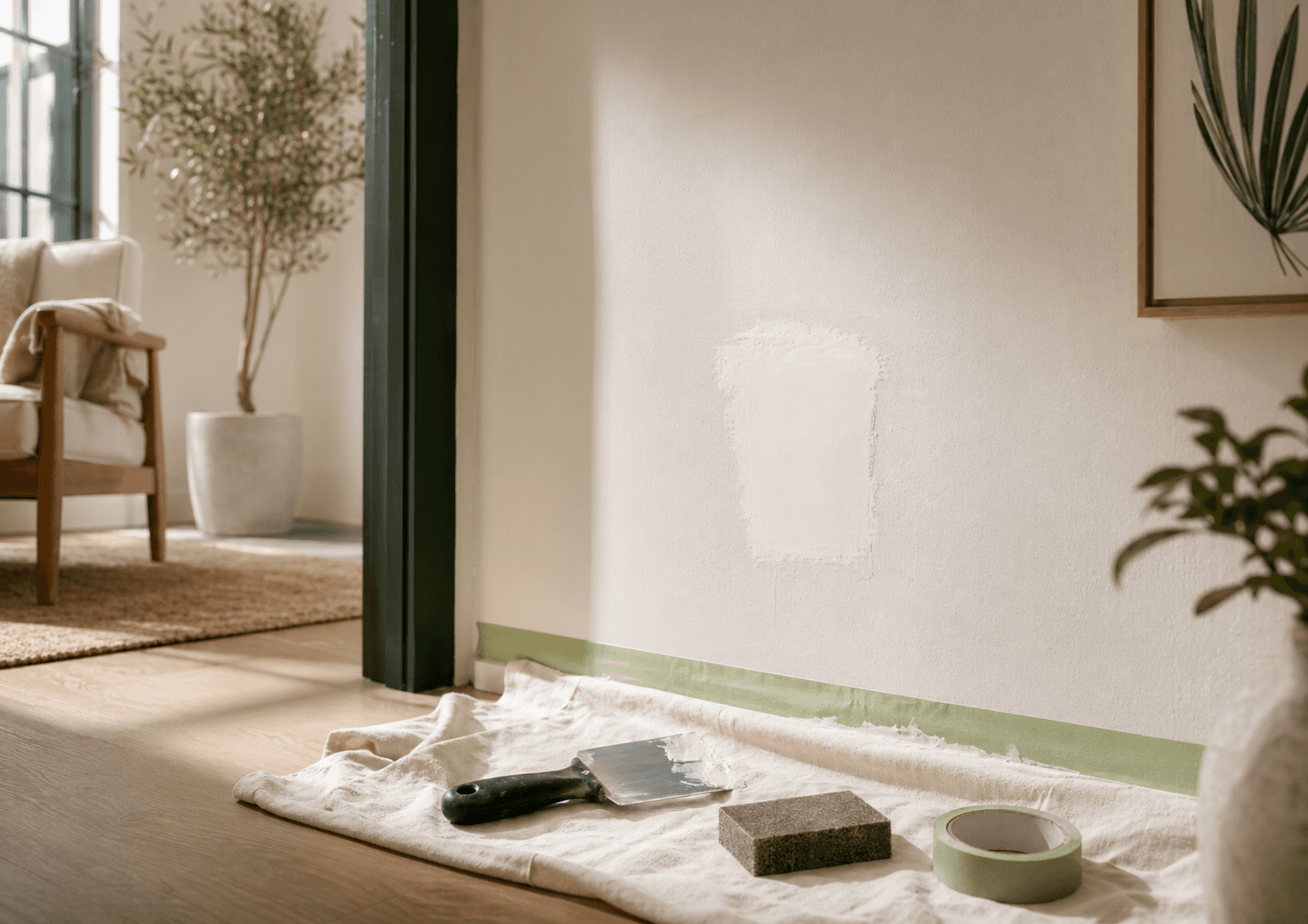
Drywall & Patching
Wall repairs for dents, holes, move-outs, and room refreshes.
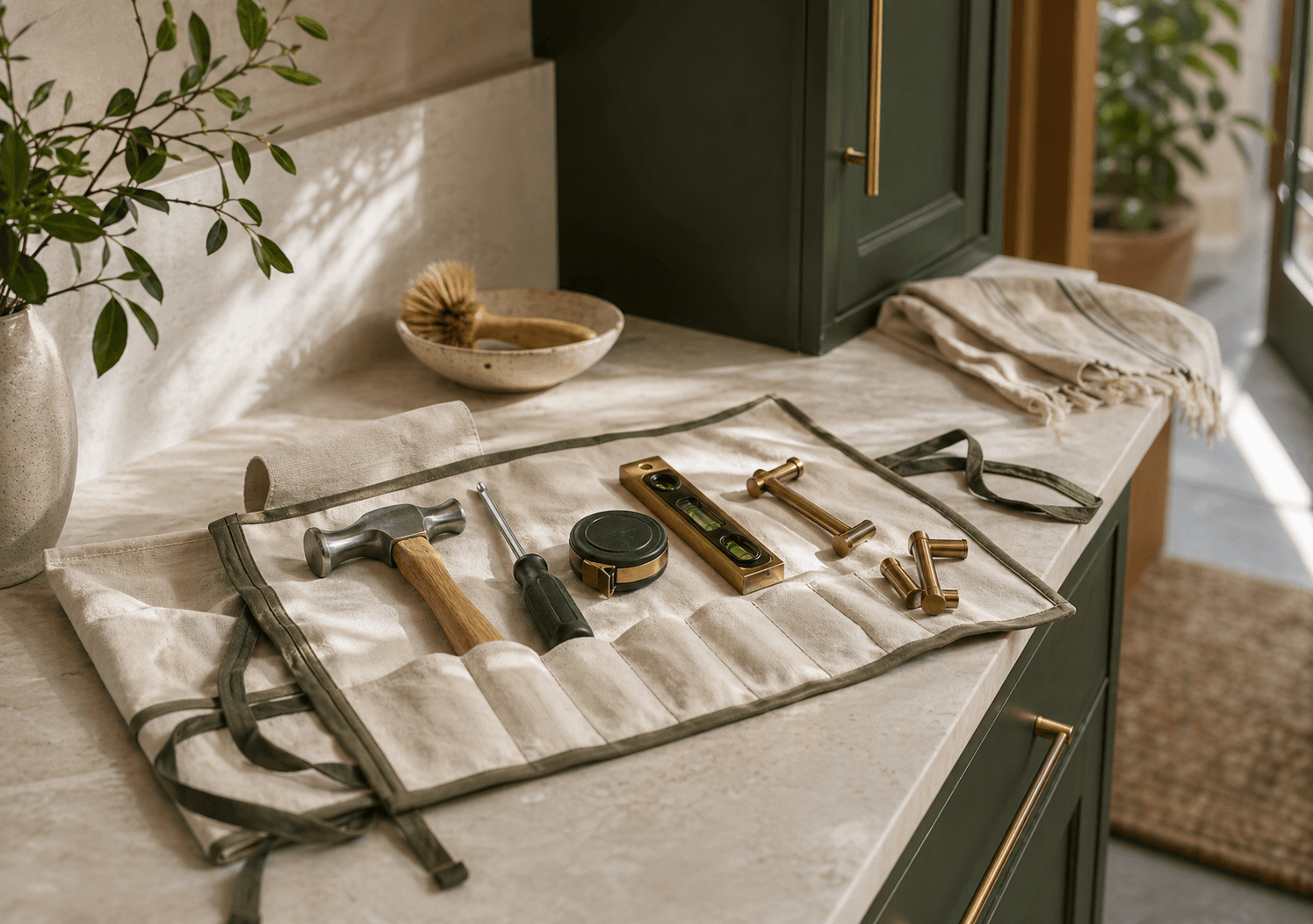
General Handyman
Small repairs, adjustments, and punch-list work for the everyday jobs around your home.

Door, Window & Screen Repair
Everyday adjustments for doors, latches, hardware, windows, and screens.
Ready to get it reviewed?